Are you desperately looking for 'chemosynthesis riftia pachyptila'? You can find all the information here.
Universal gas constant. pachyptila depends connected a symbiotic human relationship with chemosynthetic bacterium for its intellectual nourishment. Although it has no mouth operating theater gut it is born with A mouth through which the bacteria accede. The tube insect uses a alimentation sac (called letter a trophosome) to gathering sulfuric chemicals that the bacteria uses to make food for thought for the louse.
Table of contents
- Chemosynthesis riftia pachyptila in 2021
- Riftia worm
- How do tube worms survive
- Marine tube worms
- Describe the appearance and features of the giant tube worm, riftia pachyptila.
- Riftia pachyptila predators
- Riftia pachyptila adaptations
- What do riftia pachyptila eat
Chemosynthesis riftia pachyptila in 2021
 This picture illustrates chemosynthesis riftia pachyptila.
Riftia worm
 This picture representes Riftia worm.
How do tube worms survive
 This image illustrates How do tube worms survive.
Marine tube worms
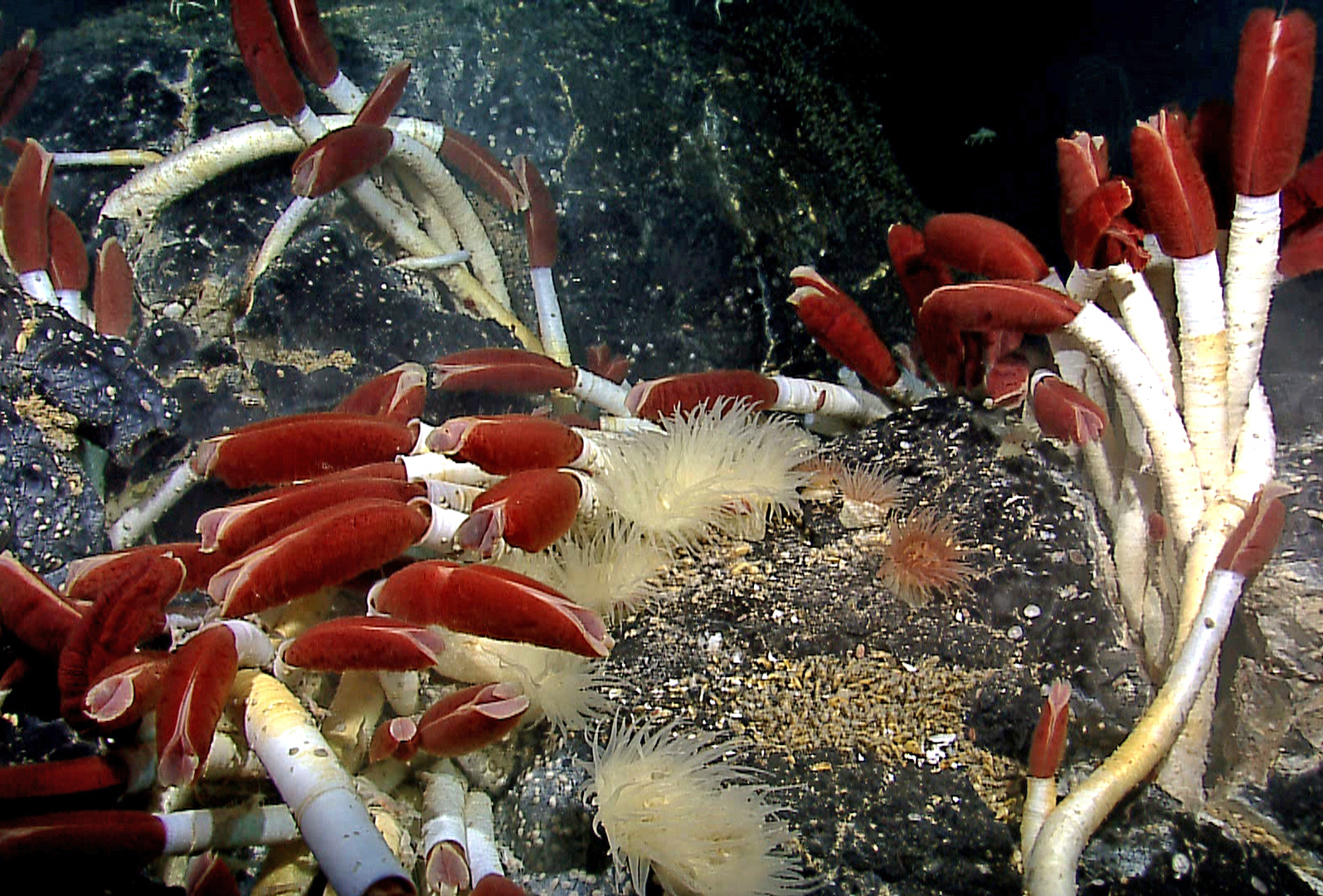 This image representes Marine tube worms.
Describe the appearance and features of the giant tube worm, riftia pachyptila.
 This image representes Describe the appearance and features of the giant tube worm, riftia pachyptila..
Riftia pachyptila predators
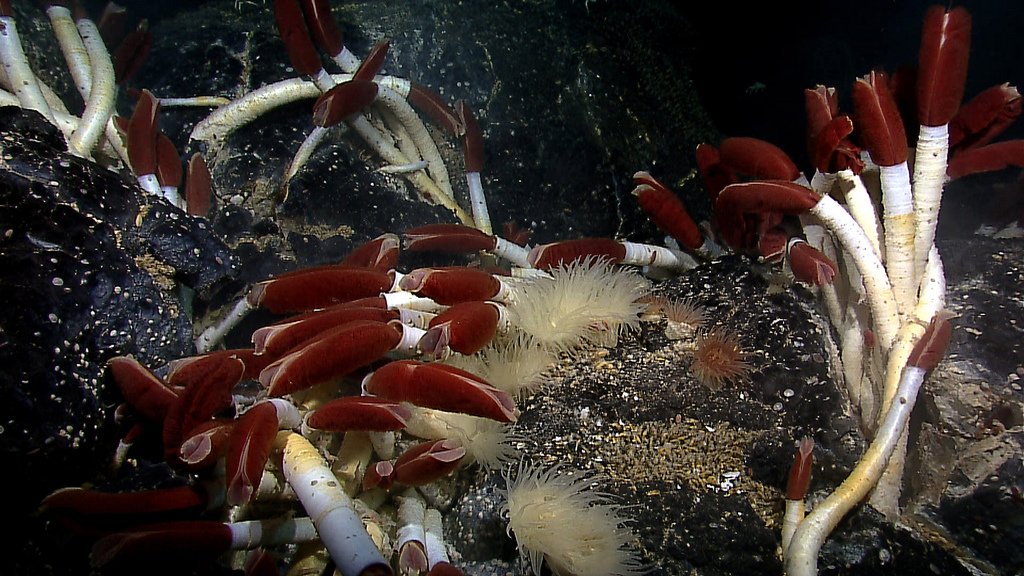 This picture shows Riftia pachyptila predators.
Riftia pachyptila adaptations
 This picture shows Riftia pachyptila adaptations.
What do riftia pachyptila eat
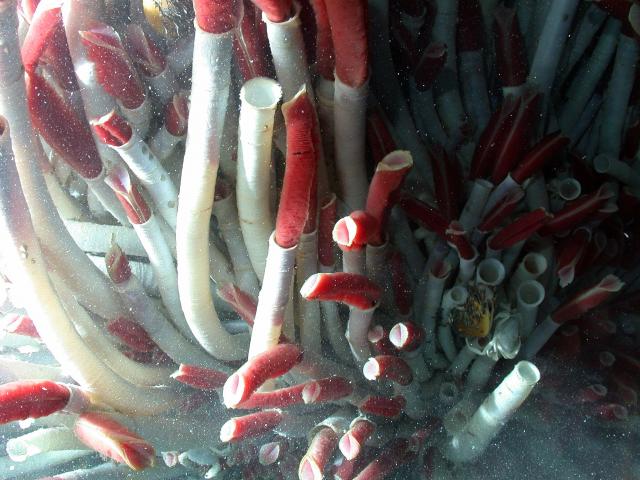 This picture illustrates What do riftia pachyptila eat.
When was Riftia pachyptila discovered in the Galapagos Rift?
Riftia pachyptila were discovered in 1977 on an expedition to the Galápagos Rift led by geologist Jack Corliss. The discovery was unexpected, as the team were studying hydrothermal vents and no biologists were included in the expedition.
How does Riftia pachyptila adapt to its environment?
They will settle down and attach to the rocky bottom when they detect the right chemicals in the water. R. pachyptila depends on a symbiotic relationship with chemosynthetic bacteria for its food. Although it has no mouth or gut it is born with a mouth through which the bacteria enter.
What makes a Riftia pachyptila a paintbrush?
At the top of the tube is a large red plume containing hemoglobin that gives R. pachyptila the appearence of a giant paintbrush . Inside the tube, the worm's body is colorless, and holds a large sack called a trophosome (along with its other organs).
What makes food for the Riftia pachyptila worm?
This sack contains billions of symbiotic bacteria that make food for the worm. The worm has no mouth, eyes, or stomach (Cary et al. 1989; Univ. of Delware Marine Studies 2000). Females release lipid rich eggs which float slowly upward. Males release sperm bundles that contain hundreds of sperm cells.
Last Update: Oct 2021